Boxware was a project to run a full Linux desktop environment in your browser. We were accepted into Y Combinator Startup School and made it to the Y Combinator S18 interview stage.
The Vision
Cloud computing was eating the world, but desktop applications were still tied to local machines. We wanted to change that by streaming a full Linux desktop to any device with a web browser.
Imagine accessing your development environment, design tools, or any Linux application from a Chromebook, tablet, or even your phone — with all your files and settings synced.
How It Worked
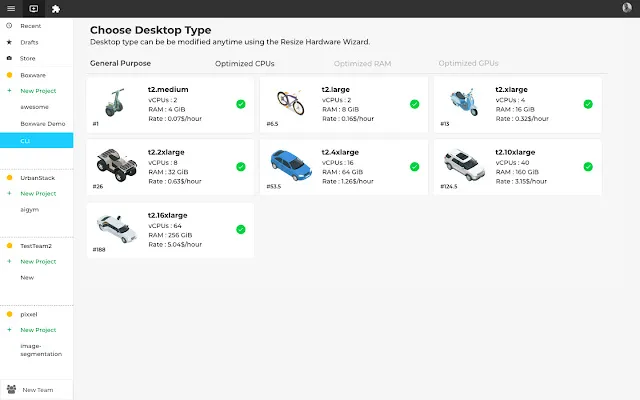
The system had several components:
- Container Orchestration: Each user got their own isolated Linux container
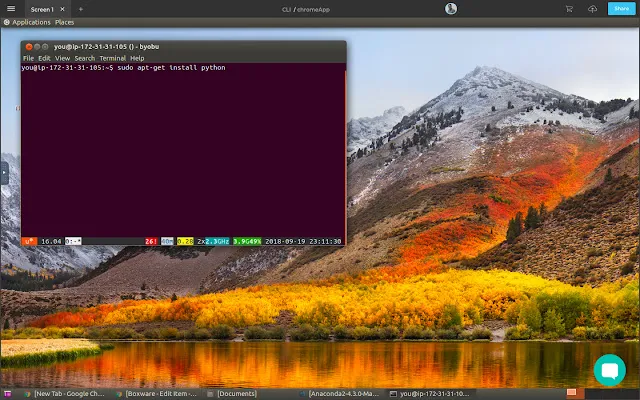
- Display Streaming: We captured the X11 display and streamed it via WebRTC
- Input Handling: Mouse and keyboard events were sent back to the container with minimal latency
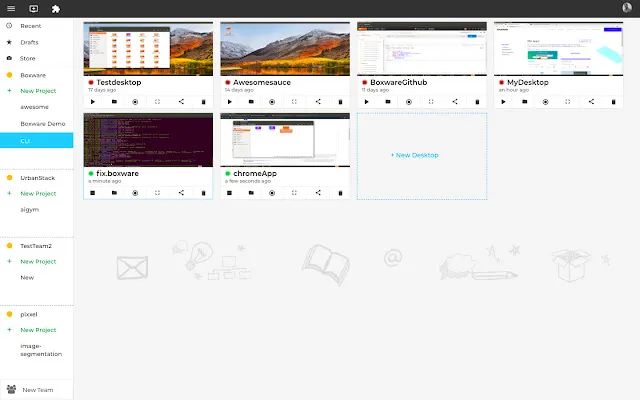
- Persistent Storage: User files were stored on network-attached storage that persisted between sessions
Technical Challenges
The hard part wasn't running Linux in a container — that's well-solved. The challenges were:
- Latency: Desktop use requires <50ms latency to feel responsive. We used WebRTC and regional servers to get close.
- Bandwidth: Streaming video of a desktop at acceptable quality requires significant bandwidth. We implemented adaptive bitrate and smart region updates.
- Audio: Synchronizing audio with video while maintaining low latency was tricky.
My Role
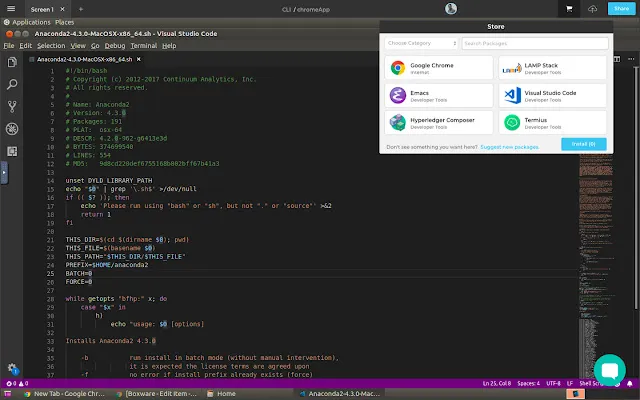
I worked primarily on the backend — a Node.js application running on Boxware instances that handled communication with the frontend. I also worked on the Linux infrastructure and helped with frontend development.
YC Interview
We applied to Y Combinator S18 and made it to the interview stage. While we didn't get in, the feedback was valuable. The main concern was market timing — this was before the remote work explosion that would have made the product much more relevant.
We were also accepted into Y Combinator Startup School, which provided valuable mentorship and resources.
Lessons
This was my first serious startup attempt, and I learned a lot about product-market fit. The technology was solid, but we were solving a problem that most people didn't know they had yet. A few years later, tools like GitHub Codespaces and Gitpod proved the market existed — we were just early.
Built with Sibesh Kar and Shubham Mishra.